 Log in

The regulator tells the BBC it has been emailing AVS Group Ltd without reply since July.

But was the email ever received? Email was never designed as a guaranteed delivery system. A more apt description is that the mail servers will make a 'best effort' to deliver. With spam and anti-virus filters today, a lot of email never gets delivered.


On Wednesday, Micron Technology announced it will exit the consumer RAM business in 2026, ending 29 years of selling RAM and SSDs to PC builders and enthusiasts under the Crucial brand. The company cited heavy demand from AI data centers as the reason for abandoning its consumer brand, a move that will remove one of the most recognizable names in the do-it-yourself PC upgrade market.
“The AI-driven growth in the data center has led to a surge in demand for memory and storage,” Sumit Sadana, EVP and chief business officer at Micron Technology, said in a statement. “Micron has made the difficult decision to exit the Crucial consumer business in order to improve supply and support for our larger, strategic customers in faster-growing segments.”
Micron said it will continue shipping Crucial consumer products through the end of its fiscal second quarter in February 2026 and will honor warranties on existing products. The company will continue selling Micron-branded enterprise products to commercial customers and plans to redeploy affected employees to other positions within the company.
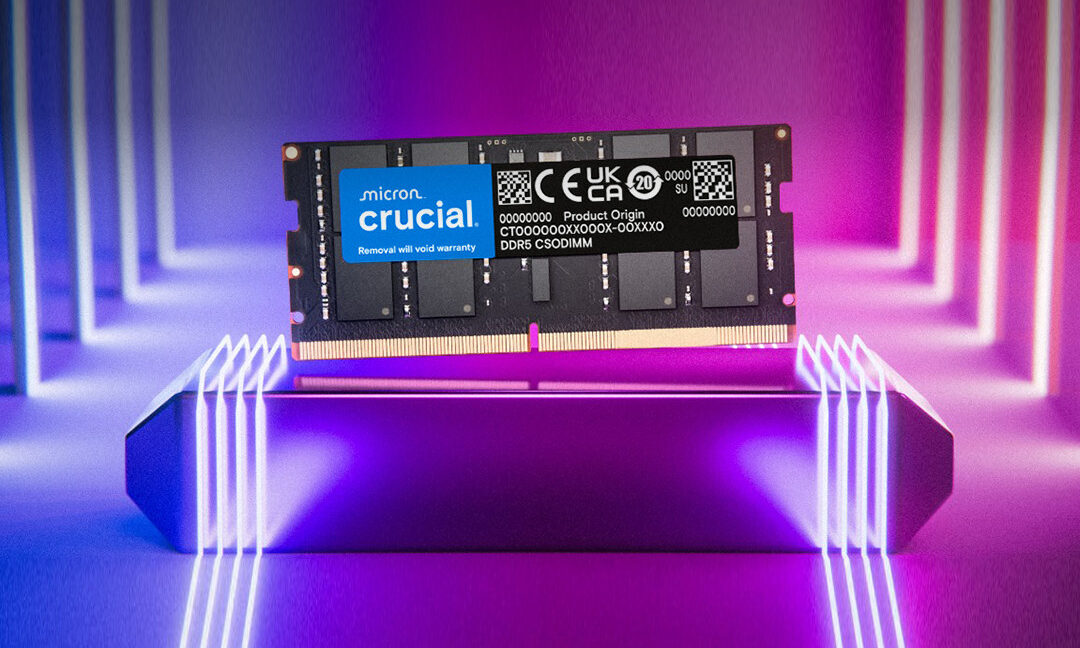

I've often relied on Crucial when helping buy the right RAM for their equipment. Sad to see them go
Supreme Court justices expressed numerous concerns today in a case that could determine whether Internet service providers must terminate the accounts of broadband users accused of copyright infringement. Oral arguments were held in the case between cable Internet provider Cox Communications and record labels led by Sony.
Some justices were skeptical of arguments that ISPs should have no legal obligation under the Digital Millennium Copyright Act (DMCA) to terminate an account when a user’s IP address has been repeatedly flagged for downloading pirated music. But justices also seemed hesitant to rule in favor of record labels, with some of the debate focusing on how ISPs should handle large accounts like universities where there could be tens of thousands of users.
Justice Sonia Sotomayor chided Cox for not doing more to fight infringement.

It is widely accepted that Internet access is a necessity. They even have reduced pricing for the poor. And yet they want to cut people off from society on the mere accusation of piracy?

This is crazy. Lawmakers in several US states are contemplating banning VPNs, because…think of the children!
As of this writing, Wisconsin lawmakers are escalating their war on privacy by targeting VPNs in the name of “protecting children” in A.B. 105/S.B. 130. It’s an age verification bill that requires all websites distributing material that could conceivably be deemed “sexual content” to both implement an age verification system and also to block the access of users connected via VPN. The bill seeks to broadly expand the definition of materials that are “harmful to minors” beyond the type of speech that states can prohibit minors from accessingpotentially encompassing things like depictions and discussions of human anatomy, sexuality, and reproduction.
The EFF link explains why this is a terrible idea.
Legislators are once again making laws in order to make headlines with the populace without considering the impact.

Device searches at U.S. borders are at an all-time high, according to latest data.
by their very nature, smartphones *are* surveillance devices. if a government declares that they have the right to the data on your smartphone, you need to think carefully about what that means to you.
After Valve announced its upcoming Steam Machine living room box earlier this month, some analysts suggested to Ars that Valve could and should aggressively subsidize that hardware with “loss leader” pricing that leads to more revenue from improved Steam software sales. In a new interview with YouTube channel Skill Up, though, Valve’s Pierre-Loup Griffais ruled out that kind of console-style pricing model, saying that the Steam Machine will be “more in line with what you might expect from the current PC market.”
Griffais said the AMD Zen 4 CPU and RDNA3 GPU in the Steam Machine were designed to outperform the bottom 70 percent of machines that opt-in to Valve’s regular hardware survey. And Steam Machine owners should expect to pay roughly what they would for desktop hardware with similar specs, he added.
“If you build a PC from parts and get to basically the same level of performance, that’s the general price window that we aim to be at,” Griffais said.
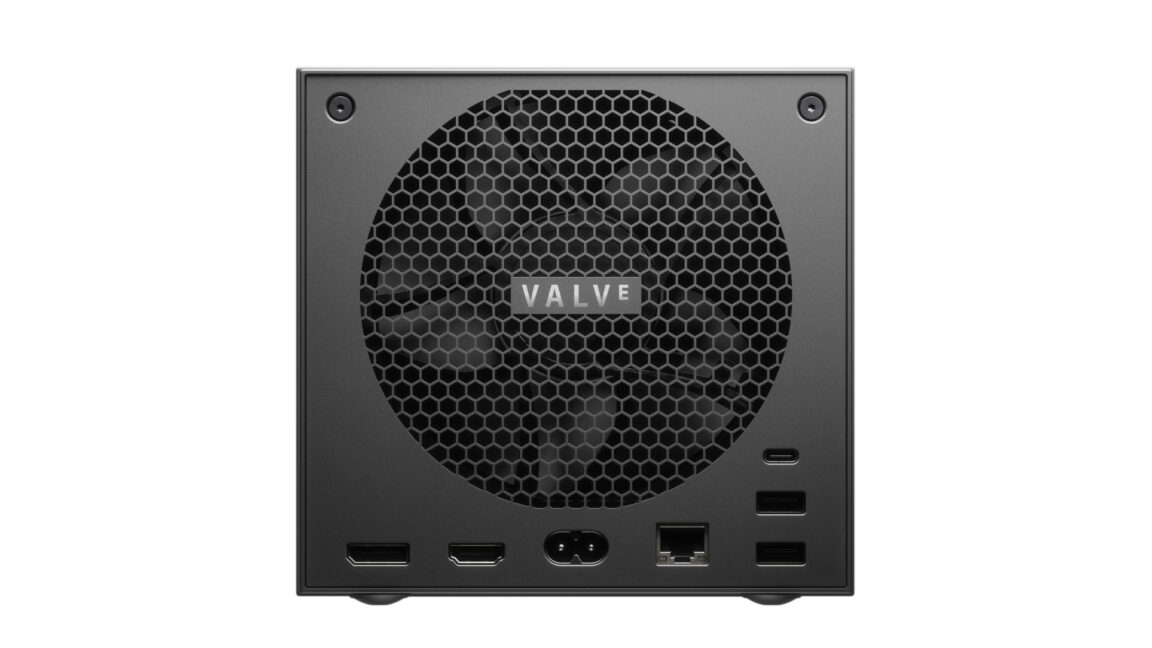
I'm waiting to see the initial reviews, but I'm interested even if this costs as much as a comparable PC from Dell.
1 public comment

What people don't understand is that the PS5 costs much higher in the long run once you factor in cost of games. Steam machine will cost considerably less if you factor in about 10 games that are AAA titles and even better if you can get them during sales.
Kamloops, British Columbia
Next Page of Stories